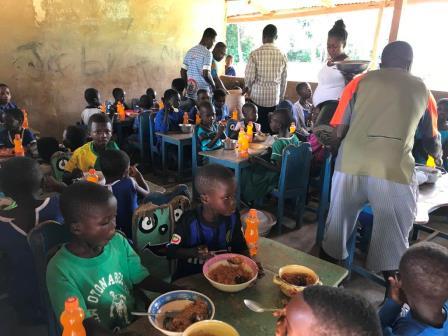
Health & nutrition support
Feeding and welfare support in schools, so that learning is not competing with hunger.
Programs & initiatives
Three skills tracks and one infrastructure programme — each chosen because it changes what a young person can earn, and what a community can sustain.
Track one
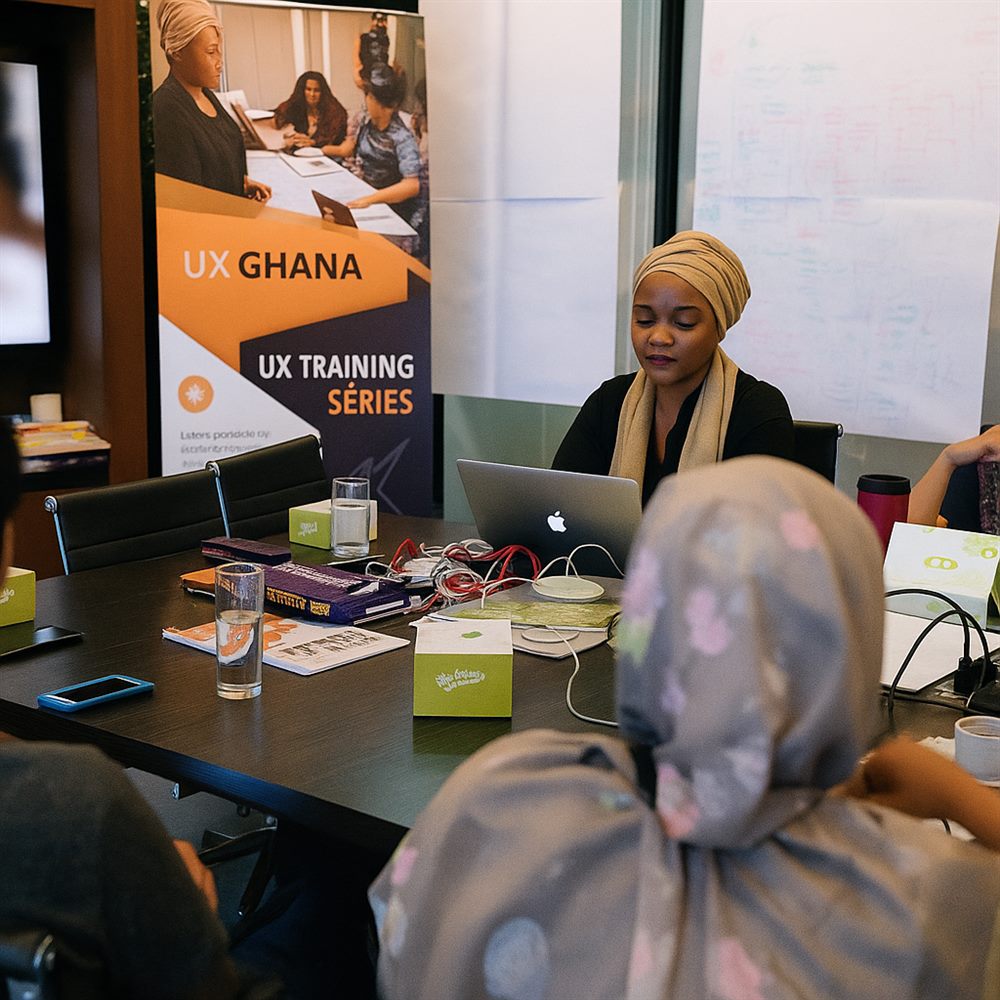
Information technology is no longer a specialism — it is the floor beneath almost every job worth having.
Records, payments, logistics, agriculture, healthcare and government all run on systems that somebody has to operate, repair and connect. Where those skills are scarce, the work goes elsewhere. Our IT track teaches young people to be the person a business calls, and structures that learning around qualifications employers already understand.
Practical command of Word, Excel, PowerPoint and Outlook — the baseline literacy screened for in almost every office, NGO and government role.
Diagnosing, repairing and maintaining computer hardware. A skill that supports both employment and self-employment, because the demand is everywhere there are machines.
Setting up and troubleshooting the networks that offices, schools and businesses depend on — among the most transferable technical skills a young person can hold.
Track two
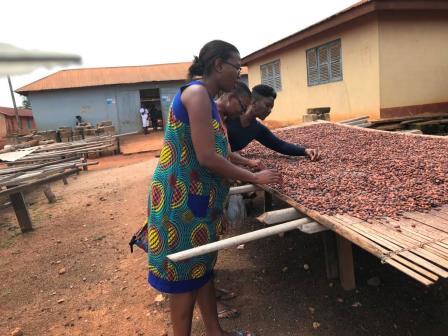
Agriculture is the largest employer around us. Treated seriously, it is also one of the most reliable routes out of poverty.
Our agriculture work is aimed at income, not subsistence. We train young people in production and post-harvest practice, help them see farming as an enterprise with margins and markets rather than a fallback, and support the projects that raise what a household can earn from the same piece of land.
This is where our poverty reduction and income generation objective does most of its work — alongside the agricultural infrastructure that makes the gains durable rather than seasonal.
Track three
A second language turns a local candidate into an international one.
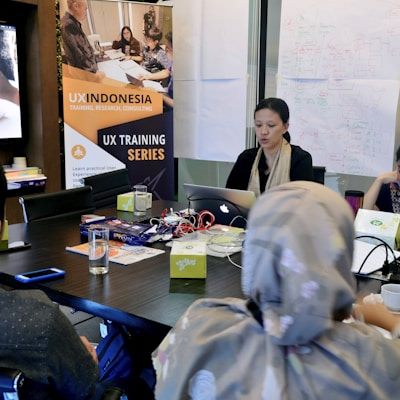
For young people considering work abroad — or work at home with international employers, tourism operators and NGOs — language is often the single requirement standing between them and the role. Our language training is built for employment rather than examination: the vocabulary of an interview, a workplace and a contract.
It is the clearest expression of our founding phrase, be it at home or abroad.
Beyond training
Skills alone do not lift a community. Our second and fourth objectives commit us to the physical and institutional groundwork that training depends on.
Feeding and welfare support in schools, so that learning is not competing with hunger.
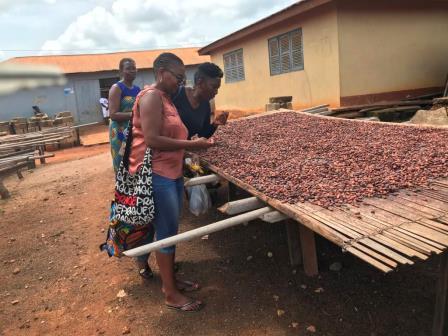
Drying, storage and processing capacity that protects the value of what farmers grow.
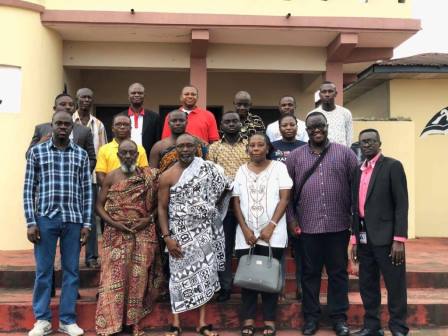
Working with traditional authorities and civil society organizations so developmental projects are delivered efficiently and actually reach the people they were meant for.
Our partner IMIC Academy takes applications for structured training programmes.
Join us in transforming lives through skills training, poverty reduction, and community empowerment for a brighter tomorrow.